
Heritage plasterwork
Preserve the character of old walls, ceilings and decorative plaster. Start with the existing material, its condition and the details worth retaining.
On this page
Keep the character of the building
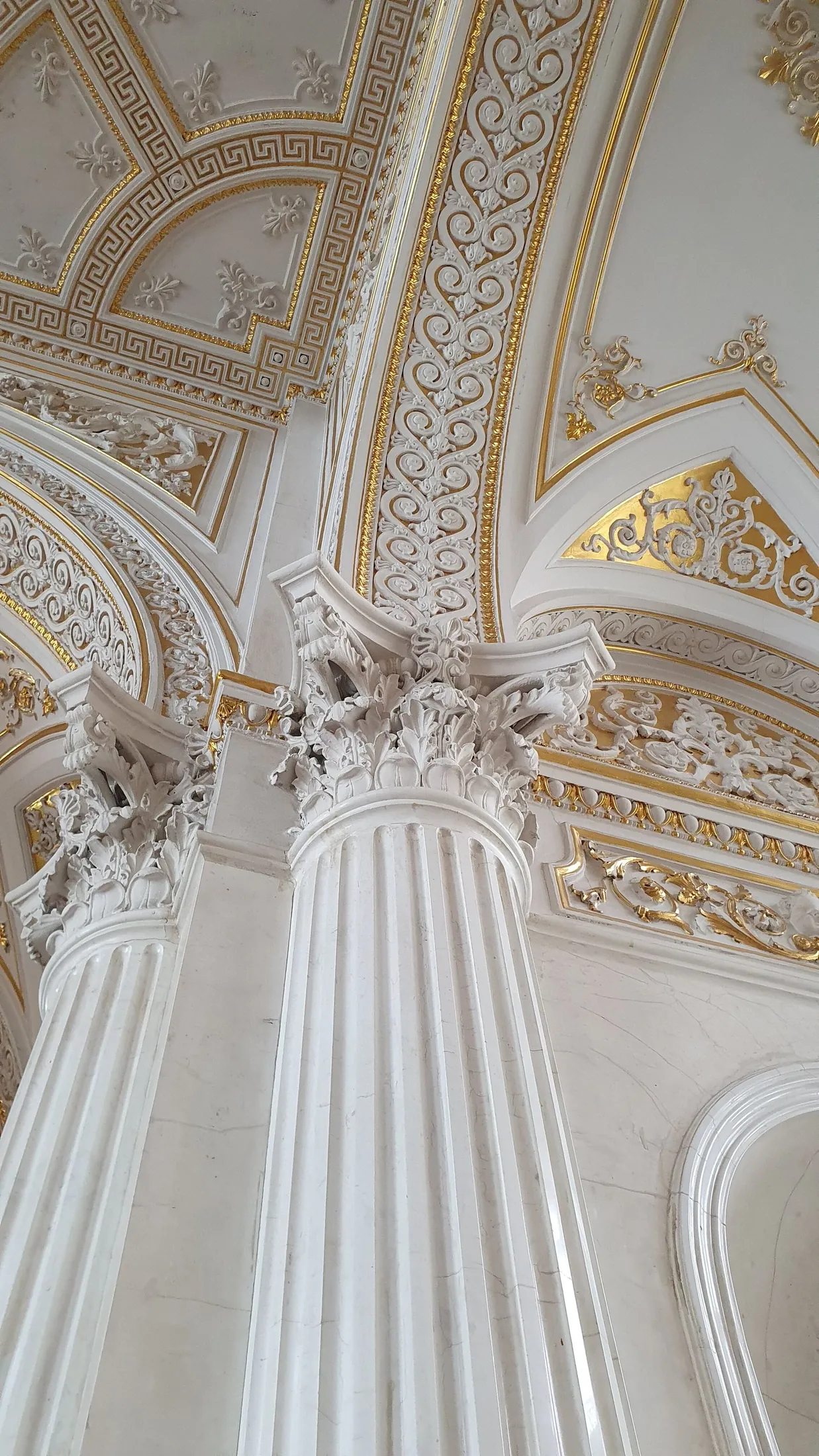
Historic plasterwork is part of a building’s character. Cornices, ceiling roses, a hand-finished wall and small irregularities can all contribute to its appearance. A repair should start by establishing what is original and what was added later.
Send an overview of the room and close-up photographs of the damage. Include the approximate age of the building, any earlier repairs and whether its heritage status is known. We discuss the scope of the work and when a specialist assessment is needed before anything is removed.
Understand the damage before choosing a repair
Cracks, hollow areas, loose ornament and damp patches need different responses. Simply covering them can hide the problem while leaving the underlying cause unresolved. The condition of the support and adjacent materials also matters.
Describe when the damage appeared, whether it is changing, and any recent roof, plumbing or structural work. Existing reports are useful. Avoid scraping or opening up a fragile ceiling yourself: the extent of inspection and protection should be agreed first.
Match the repair to the existing plaster
Older plaster can have a different composition and moisture behaviour from a modern finish. The proposed repair material should be assessed against the existing layers, their strength and their support. A standard product cannot be assumed suitable for every historic surface.
A small trial area can help assess texture, colour, transitions and the appearance in daylight. Confirm which original areas will remain, where local repairs are proposed and how later painting or other finishes will be handled.
Cornices, roses and decorative details
The profile and proportions of decorative work should be recorded before repairs begin. Photographs with a ruler, an intact matching section and the position of lighting help explain what needs to be retained or reproduced.
Discuss whether a damaged detail can be conserved, locally repaired or needs a matching replacement. Support, fixing, joints and the final coating all affect the result. Specialist restoration is a separate consideration from fitting a new decorative moulding.
Agree the scope and price clearly
Heritage repairs are assessed individually. Access, protection, investigation, fragile details and the amount of local repair can have more influence on the work than the total area alone. A general price per square metre is therefore only useful when its scope is defined.
Ask for a description of the assessment, preparation, materials, trial area and final finish. Make clear who arranges access, protection, any specialist advice and the required approvals. If the building has protected status, agree the permitted work before starting.
Questions about heritage plasterwork
Can all historic plaster be kept?
That depends on its condition, support and the cause of any damage. Assess it first and agree which areas can be retained. Do not remove original work simply because it looks uneven.
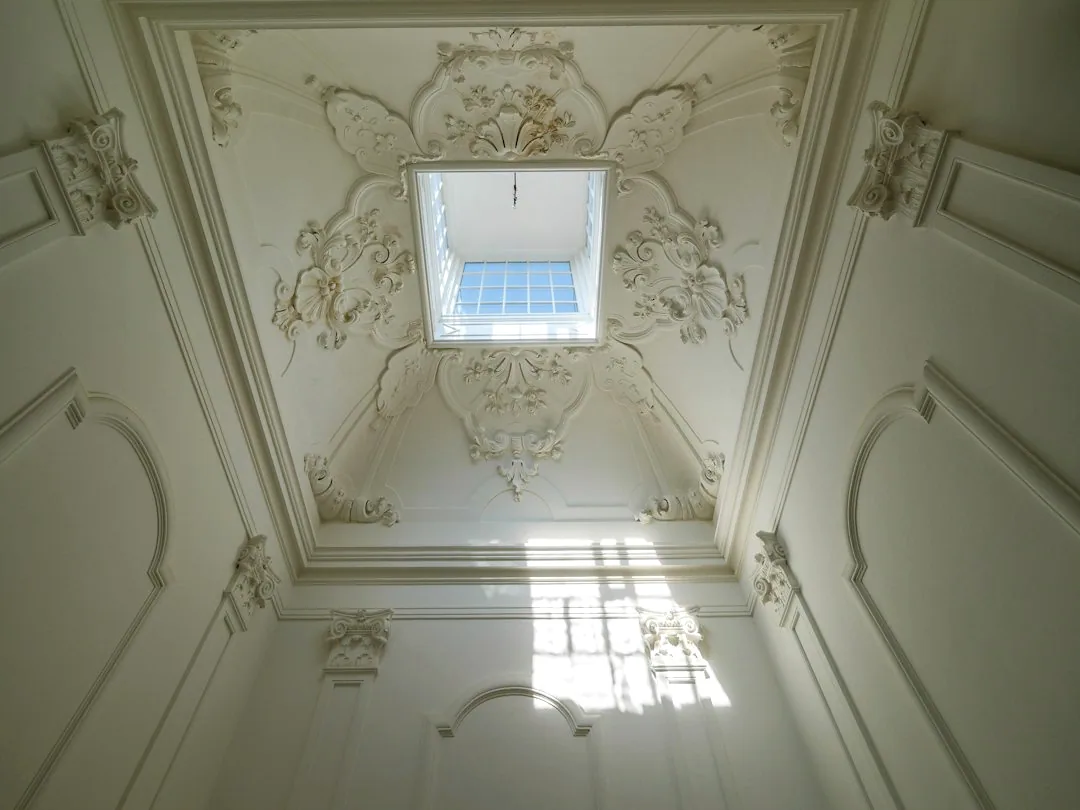
Can an old ceiling rose be repaired?
Sometimes a local repair or a matching part is possible. The profile, material, fixing and surrounding ceiling need to be assessed together. Detailed photographs help with the first discussion.
Is modern gypsum suitable for an old wall?
Suitability depends on the existing construction and plaster layers. Do not choose solely by the finish you want to see; the repair needs to be compatible with what is already there.
What does heritage plasterwork cost?
The price is based on an assessed scope. Send photographs, approximate dimensions, the building type and details of the damage so investigation, access and finishing can be discussed.
What should I arrange for a listed building?
Share the building’s known status and any existing reports or advice. Agree which work is permitted, what must be retained and who will arrange specialist guidance before work starts.
Discuss your historic plasterwork
Send photographs and the available information about your building. We discuss the condition, the desired result and the next assessment step.
More about decorative mouldings →