
Paint-ready or wallpaper-ready?
What is the difference and which finish fits your plans?
On this page
Make the desired surface concrete
Bring the end materials into the conversation
Show which wallpaper, paint and colour you want to use. At the same time, discuss the lighting, large windows and visible wall surfaces. This information can describe the desired level of preparation. That is more obvious than just saying that a wall should become completely smooth'.
Separate small surface defects from large deviations
A well or scratch requires a correction other than a wide wavy wall. Therefore, ask if the proposal only includes finishing or flattening. Discuss where size is important, for example with a new kitchen or fixed cabinet. The requirements of these connections are for the execution of the assignment.
Plan one transfer for the follow-up work
Check the surfaces before the painter or treatment technician starts. Choose who is still cleaning, updating locally and performing the appropriate pre-treatment. Check again if a repair site has been installed. By clearly naming responsibilities, the end result becomes a continuous work process instead of a series of loose assumptions.
This is what you discuss in advance
- Bring wallpaper or paint information.
- Name lighting and important connections.
- Make a distinction between flatness and smoothness.
- Record the transfer to the painter or treatment man.
Take a closer look at the subject.
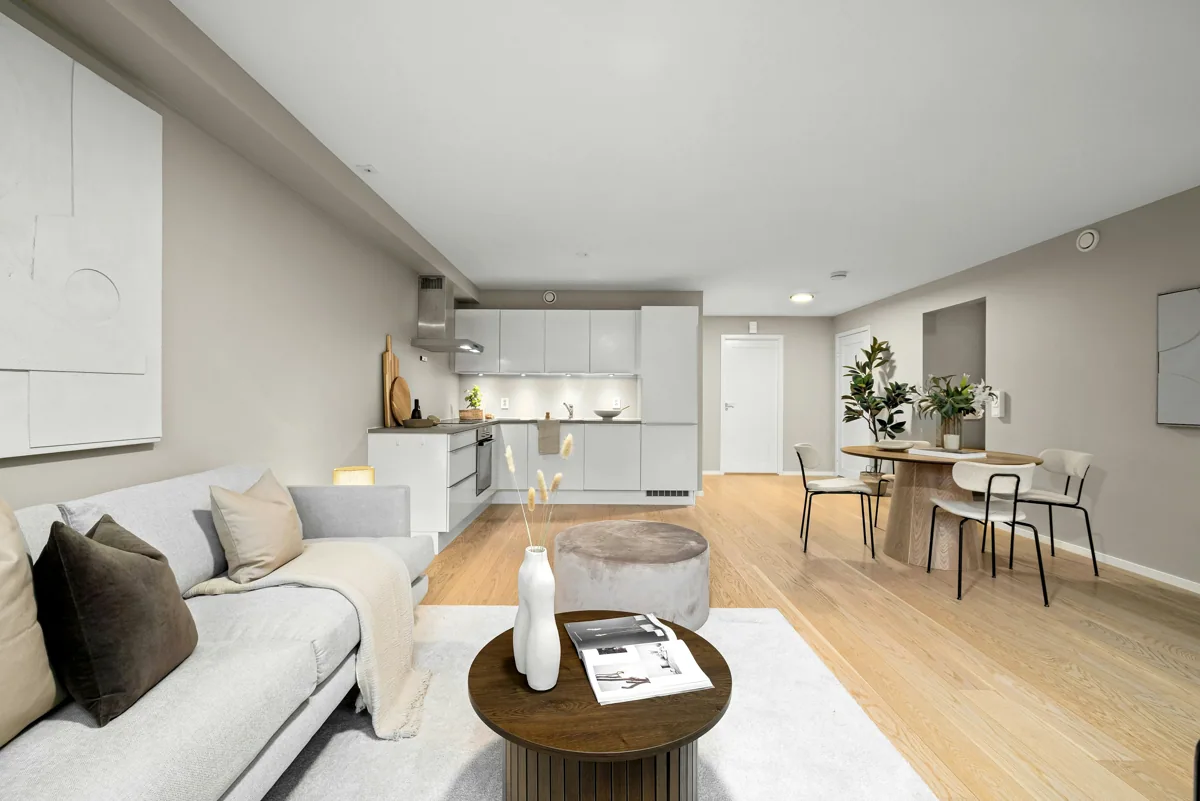
Illustrative images in preparation, substrate or finish.
What is the difference and which finish fits your plans?
Start at the finish
Do you want to paint or wallpaper? That choice determines the requirements of the plaster. ready to be painted describes a basis for wallpaper; paint-ready describes a base for wall paint. The exact expectation must be captured together.
Bring material and light
Not every wallpaper or paint shows the same unevenness. Thin wallpaper, shine and light that falls along the wall can emphasize the surface. Discuss the intended result in space and record who carries out any follow-up steps.
What should you agree on?
Note the final finish, the necessary preparation, the connections and the desired review moment. paint-ready does not automatically mean that painting, paint or primer is included in the same assignment.
Discuss your situation
An article gives general explanation. The correct execution follows from the assessment of your space, the chosen materials and the manufacturer's requirements.
Ask your question.Start with the final material
A wallpaper steel or the product name of the paint helps to make the expectations concrete. Discuss smoothness and flatness separately and pass on the final lighting. The chosen finishing level does not automatically contain the primer, paint or wallpaper itself.
- Describe the existing condition.
- Make the desired result concrete.
- Capture preparation and follow-up.
- Save product data and appointments.
Deepen this topic
Is wallpaper-ready plaster suitable for thin wallpaper?
Thin or smooth wallpaper can show unevenness. Choose the finishing level together with the concrete wallpaper type.
Read more →Paint-ready plaster and raking light
Light that falls along a wall makes small unevenness visible. Discuss the lighting before the finish is chosen.
Read more →More answers on this topic
Can I change paint after delivery?
This can give new requirements on the substrate or the view image. Discuss the change before painting and make an assessment of whether additional preparation is necessary.
Does a wall behind a cupboard have to be finished the same?
Choose what desired finish is required for each surface. Please also take into account installation and the possibility that the decoration will change later.
Review the wall together with the selected final material
Thin, plain wallpaper can reveal small imperfections more clearly than thick patterned paper. Always discuss the actual wallpaper rather than relying on the term wallpaper-ready. The same applies to paint: colour, sheen and lighting affect how the surface looks.
A useful checklist
- Take a sample or product name of wallpaper or paint with you in the conversation.
- Ask which afterworking the painter or treatment worker still performs.
- Record how the work is viewed on completion.
- In the case of special visual requirements, agree a representative test surface.
What do you compare with the desired finish?
| Component | What should you discuss? |
|---|---|
| Finishing envisaged | paint-ready is aimed at painting; ready to be painted on the agreed wallpaper. |
| Visibility of small irregularities | Colour, shine, wallpaper thickness and light falling along the surface influence what remains visible. |
| Preparation for final material | Speak sanding, dust-freeing and the appropriate primer separately. |
| Assessment | Use the agreed light, the intended final material and, if necessary, a test surface. |
These terms are not an automatic promise of an optically identical surface under each lamp. Make the desired quality and division of tasks between craftsman for plaster and painter concrete.
Discuss your plastering project.
Send your wishes, images and estimated dimensions. We will check which preparation and finishing suits your home.